The Silent SEO Errors That Are Costing You Website Traffic
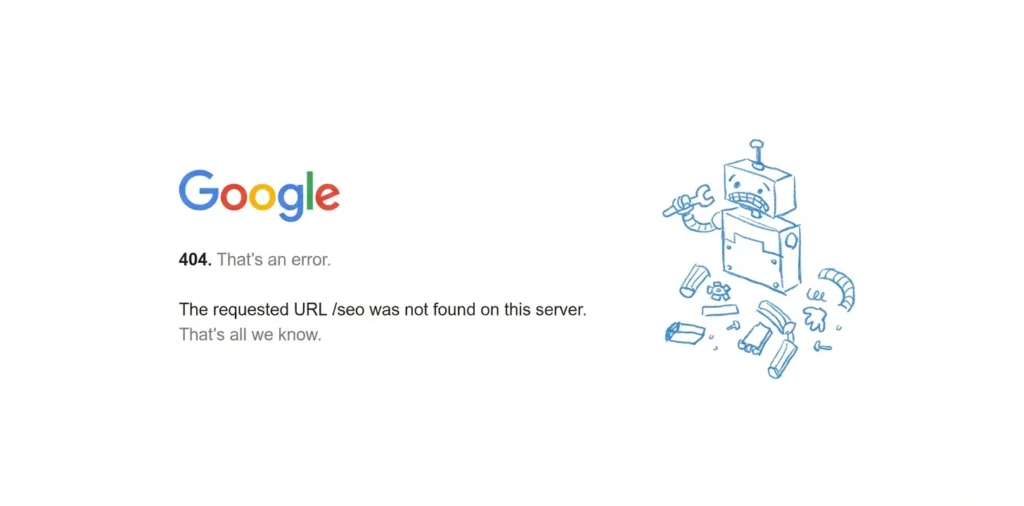
Have you ever clicked on a search result and landed on a page that says “Page not found”? You’ve probably seen this on your phone or laptop more times than you remember. These are search engine errors, and while they look minor, they can quietly damage a website’s performance.
We use search engines every day to find information, products, and services. But many website owners don’t notice the small technical errors that happen behind the scenes. These issues often go ignored, yet they play a major role in how a website performs on search engines. SEO errors may seem harmless at first, but over time they can lead to reduced traffic, poor user experience, and even lost customers. When search engines struggle to crawl or understand your site, your rankings suffer. And when users hit errors, they leave.
What are SEO Errors?
SEO errors are issues that prevent search engines and users from accessing your website properly. Some of the most common ones include broken links, 404 errors, and incorrect redirects.
What are broken links?
Broken links occur when a URL points to a page that no longer exists or does not lead users to the correct destination. When users or search engines click on these links, they often land on a nonexistent page. This creates a poor user experience and increases the chances of visitors leaving your website immediately. Too many broken links also signal to search engines that your website is not well maintained, which can negatively impact SEO.
Because of this, broken links are unwanted for users and harmful to your website’s performance. So, checking and fixing broken links regularly is essential for maintaining a healthy website. You can use tools like Broken Link Checker to identify and fix broken links on your website.
What is a 404 Error?
- A 404 error occurs when a user searches for a URL or clicks on a link that leads to a page that does not exist. This usually happens due to: Incorrect or mistyped URLs
- Deleted or moved pages without proper redirection
Is a 404 Error always a Problem?
No, a 404 error is not always a mistake. It can occur when users accidentally enter the wrong URL. However, if a page genuinely does not exist, search engines will show a 404 error to users.
To maintain website traffic and improve user experience, it is important to create a custom 404 error page. This page should include helpful navigation, such as a redirect button to the homepage or relevant pages, so users don’t leave your site immediately. Without a proper 404 page, search engines like Google will display a standard error message, which can negatively affect engagement.
What is a Soft 404?
As SEO continues to evolve, there is one important concept every digital marketer and SEO professional must understand: Soft 404. A soft 404 occurs when a page technically exists and returns a 200 OK status, but the content on the page is poor, incomplete, or irrelevant. For example: “A page with only a title and no meaningful content” or “Empty or thin content pages”
Although search engines initially recognize the page as existing, crawling and indexing become ineffective due to the lack of valuable content. This creates confusion for search engines, as the page appears valid but provides no real value. This situation is known as a soft 404 error, and it can negatively impact your website’s SEO performance.
Key Point
Fix broken links regularly. Use proper redirects
Create a user-friendly 404 page
Avoid thin or empty content to prevent soft 404 issues
Maintaining these best practices helps improve user experience, search engine trust, and overall SEO health.
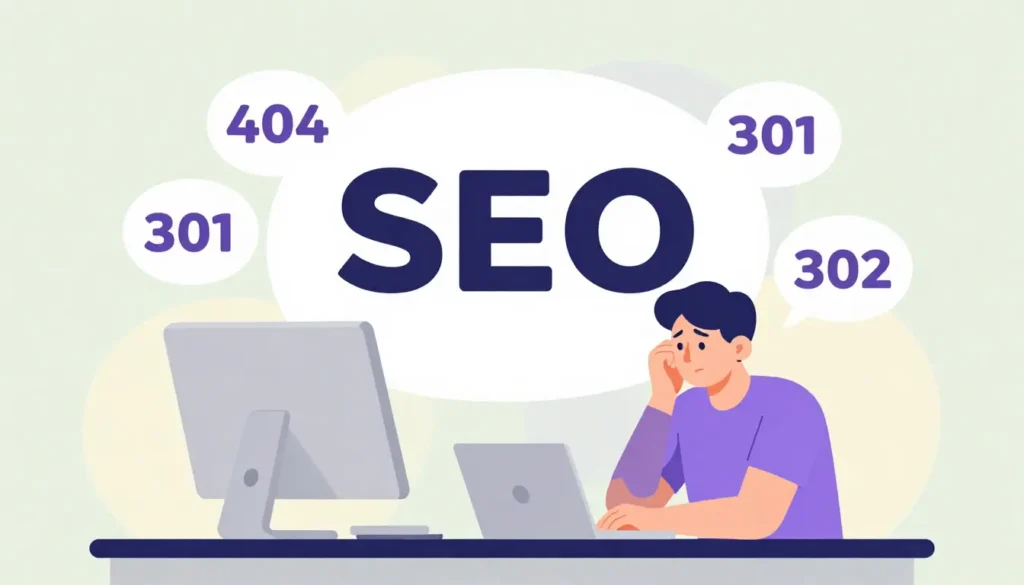
Incorrect Redirects (302 vs 301)
Another common SEO mistake is using a 302 redirect instead of a 301 redirect. A 301 redirect tells search engines that a page has permanently moved and passes most of the SEO value to the new URL. A 302 redirect is temporary and does not pass the same authority. Using the wrong redirect can weaken your rankings over time.
Why These Errors Matter
SEO errors don’t always show obvious warning signs. Most of them work silently in the background, gradually affecting your website’s visibility, traffic, and conversions without immediate notice.
When these issues remain unresolved, search engines may struggle to crawl and understand your site properly, and users may face poor navigation or broken experiences. Fixing these errors improves user experience, helps search engines crawl your site more efficiently, and protects your hard-earned rankings.
If you want your website to perform consistently well, regularly checking and fixing SEO errors is not optional; it is essential. Even small errors, when ignored, can create a big impact on your website’s overall performance. That’s why cross-checking your website for errors and maintaining proper SEO hygiene can make a significant difference in building a strong, high-performing website.